Tourism Website for Snow Experts – Ski School and Vacation Rentals in One Place
A website designed to win over guests – with a clear structure, intuitive navigation, and reliable technology that builds trust across all devices.
Snow Experts Ski School – a Tourism Website with Clarity and Structure
Digital visibility from the Kitzbühel Alps
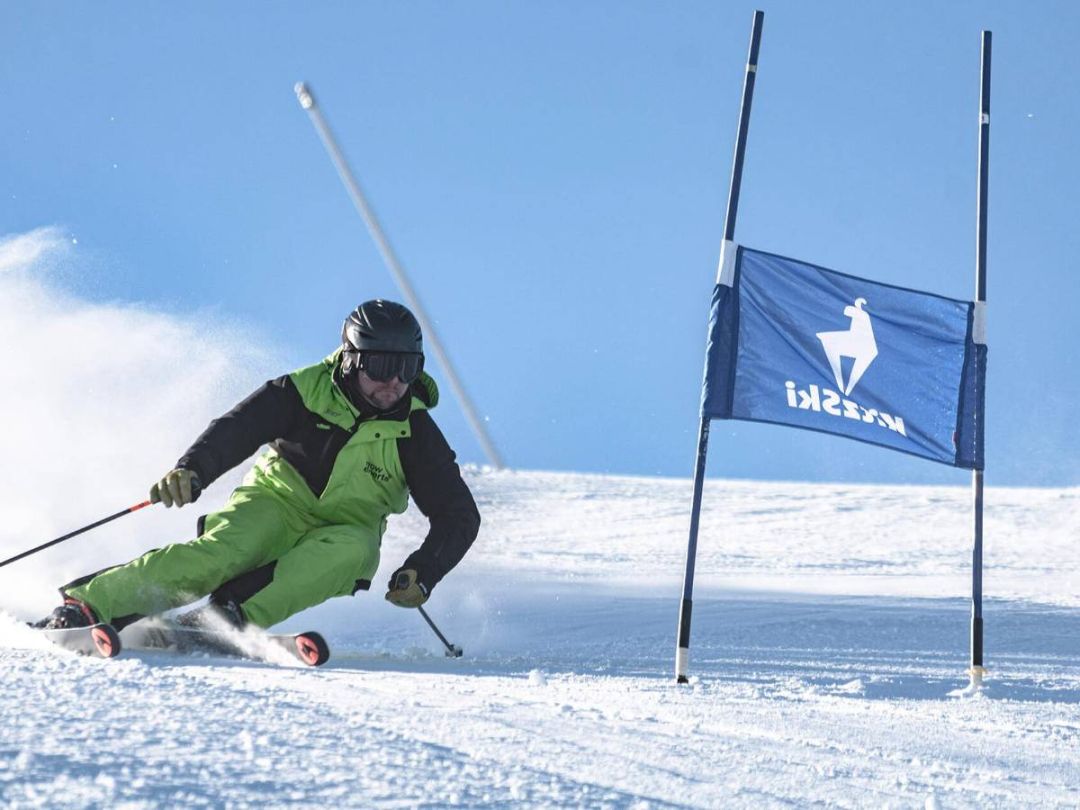
Since 2021, FINK Brot has supported Snow Experts Ski School – located in the KitzSki area, in the heart of the Kitzbühel Alps. The goal was not a flashy web presence, but a site with character: well-structured, easy to read, technically sound – and designed to build trust.
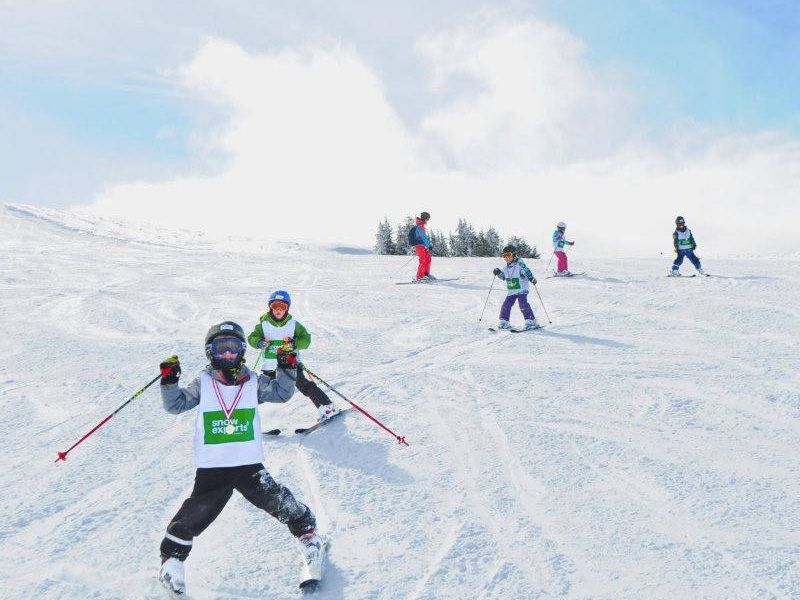
Ski lessons and vacation rentals on one website
With the expansion at Schattberg in Mittersill, new offerings were added: vacation apartments directly connected to the ski school. Instead of maintaining two separate platforms, we recommended a unified presence – clear, efficient, and visible. For visitors and for search engines alike.
One Website, Two Services – Unified in a Single Presence
Structured, low-maintenance, and visible to users and search engines
Together with Snow Experts, we opted for a single, centralized website instead of two separate ones – combining the ski school and vacation rentals in a clear, user-friendly format. This approach reduces effort and cuts costs while strengthening digital visibility.
Because when guests are ready to book, they shouldn’t have to wonder which site they’re on. One system, one design, one point of entry – for users and for search engines.
Content is clearly structured, technically scalable, and logically interconnected. The result: a website that works – fast, intuitive, and reliable. And one that consistently shows what matters most: genuine offerings, clearly presented.
Explore the Snow Experts website: https://snow-experts.at
Digital Accessibility – a Competitive Advantage in Tourism
We design websites that are accessible to as many people as possible – with a clear structure, strong readability, and solid technical foundations.
Accessible implementation for tourism businesses that think ahead.
Technically Clear. Privacy-Conscious. Accessible.
Our websites are built on Kirby CMS – a lightweight, low-maintenance system that combines high performance with maximum flexibility. Our focus: structured content, fast load times, and a technical foundation that is independent and future-ready.
We develop websites that not only resonate with people but are also clearly understood by search engines – with an emphasis on privacy, accessibility, and technical clarity:
Multilingual Tourism Website – Easy to Manage, Clearly Structured
In the KitzSki region, an international audience is the norm. That’s why the website was designed to support multilingual content – consistent, easy to maintain, and optimized for search engines.
Whether it’s ski school, vacation rentals, or equipment rental: every page is clearly labeled, technically sound, and structured in a way that both search engines and real users can easily understand.
The foundation: an architecture that remains maintainable, scalable, and free of external dependencies – with no cookie banners, no tracking scripts, and no unnecessary integrations.
The result: a website that does what it’s meant to do – make content visible, build trust, and work reliably.
A Clear Presence for Clear Services
One ski school, one vacation home, one unified website: the Snow Experts site delivers with well-organized content, fast load times, and lasting digital visibility.
A project that shows how a clear focus leads to better visibility.
Privacy-Friendly, Accessible Web Design in Tourism – Here’s How We Did It
Every successful web project is built on careful consideration – from user experience and technical architecture to security and sustainability.
The Snow Experts website was developed around real-world questions – raised by guests, operators, and search engines alike.
We address the most important ones here:
-
Why does a tourism website need a clear structure?
In short:
A clear structure helps guests find what they’re looking for – ski lessons, pricing, or accommodation – faster. This improves the user experience and boosts search engine visibility.
In detail:
Travel-related content is often accessed on the go – spontaneously, on mobile devices, or with limited connectivity. That’s why a tourism website like Snow Experts needs a well-structured setup: intuitive navigation, meaningful headings, and a clean URL structure. Users immediately understand where they are and how to get to what they need. This reduces bounce rates, increases time on site, and strengthens both usability and visibility on platforms like Google. Clear structure also improves crawling and snippet quality – directly benefiting long-term SEO performance.
-
How do minimalist design and privacy-friendly tech benefit tourism websites?
In short:
Minimalist layouts and privacy-conscious technologies deliver faster load times, easier navigation, and fewer legal concerns – ideal for diverse tourism audiences.
In detail:
Tourism websites benefit from minimalist design: clean layouts, generous white space, and reduced visual noise direct attention to what matters – the offerings and booking options. When paired with a privacy-friendly technical setup – minimal scripts, no trackers, local resources, and cookie-free analytics – performance improves significantly.
That’s exactly the approach taken with the Snow Experts site: a clean, focused design supported by technology that works without cookies, external trackers, or unnecessary scripts. The content takes center stage – not effects. The result is a website that performs reliably, builds trust, and works well for international users – regardless of device, privacy standards, or connection speed.
-
How flexible is the website – and can it scale easily?
In short:
Yes – the CMS is modular, multilingual, and low-maintenance. New pages, offerings, or languages can be added without a full relaunch.
In detail:
The Snow Experts website is powered by Kirby CMS – a database-free, low-maintenance system that allows for maximum flexibility. New content, booking options, language versions, or modules can be added easily without disrupting the existing structure. Even new design variations or features can be integrated without major redevelopment.
For tourism providers whose services are constantly evolving – like vacation rentals, seasonal courses, or special offers – this setup offers a clear competitive edge. It keeps maintenance and costs low while ensuring long-term scalability and future readiness.
-
Why is digital accessibility especially important in tourism?
In short:
Accessible websites allow more people to access information – whether they have visual impairments, limited mobility, or are using a small mobile screen on the go.
In detail:
Digital accessibility goes beyond legal compliance – it reflects quality, hospitality, and foresight. Especially in tourism, a wide range of audiences must be considered: older adults, families, international travelers, or users with temporary limitations. For all of them, quick and easy access to information is essential – regardless of device or situation.
The Snow Experts website was built with this in mind: high contrast, readable fonts, alternative image descriptions (alt text), and intuitive navigation – including full keyboard access – paired with clear, user-friendly language. Technically, this means structured code, fast loading, and strong SEO values. The takeaway: accessible websites don’t just work better for people – they perform better for search engines too. Reducing digital barriers improves user experience, reach, and trust alike.
Vacation Home, Digitally Presented – Clear, Mobile-Friendly, Guest-Oriented
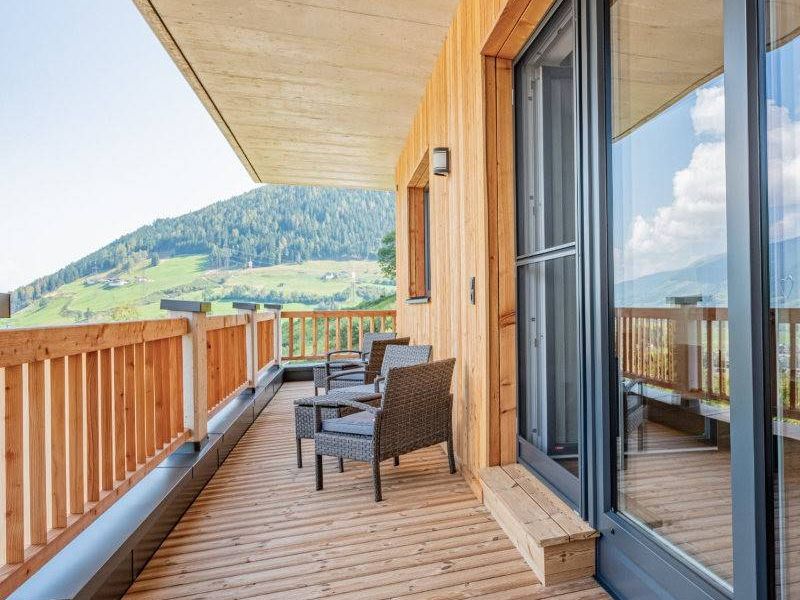
Whether summer or winter: the website for Hoferlitzlhubgut demonstrates how to present a vacation home in Salzburg online – clearly structured, informative, and free of technical barriers.
All content – from apartment details to location – is organized to help guests quickly find what matters. Strong visuals, privacy-friendly technology, and a direct booking option ensure a smooth user experience and build trust.
In combination with the Snow Experts ski school, the result is a web presence that brings the vacation experience to life – focused on what truly matters, just like the stay itself.
Tourism Web Design – From Visibility to Accessibility
What does it take for a website to truly succeed in tourism?
In our FAQs, we answer the most important questions about visibility, user experience, mobile optimization, and technical implementation – specifically for hosts, ski schools, and tourism businesses.
-
Why is a professional online presence so important in tourism?
In short:
A professional website builds trust, enables direct bookings, and reduces reliance on third-party booking platforms.
In detail:
A well-designed website is far more than a digital business card – it’s often the first point of contact for guests and plays a crucial role in building trust and securing bookings. Tourism providers offering services like ski lessons or vacation rentals benefit from a professional online presence that works seamlessly across all devices, loads quickly, and is clearly structured. This ensures that key information is easy to find, inquiries are simple to submit – and bookings can be made directly.
Moreover, having your own website allows you to operate more independently from external booking platforms. Hosts retain full control over content, pricing, and guest communication – while also strengthening their own brand. This not only benefits your visibility in Google but also improves the direct relationship with your guests.
-
What is privacy-friendly analytics – and how does it benefit my website?
In short:
Privacy-friendly analytics works without cookies or tracking scripts – protecting user privacy and building trust.
In detail:
Privacy-friendly analytics means consciously avoiding invasive tracking methods such as cookies, pixels, or third-party analytics services. Instead, only essential data is collected – anonymized and processed locally – using tools that neither store nor share personally identifiable information.
For website owners, this means less legal overhead, no need for cookie banners, and most importantly, a better experience for users. More and more people are mindful of their data privacy – and prefer services that respect it.
From a technical standpoint, the website stays fast, lean, and low-maintenance. And from an SEO perspective, that’s a plus: search engines reward websites that are reliable, transparent, and user-centered.
-
How can the booking process be optimized to increase conversions?
In short:
A clearly structured, mobile-friendly booking process with trust-building elements and fast load times can significantly boost your booking rate.
In detail:
A well-designed booking process plays a key role in turning website visitors into paying guests. Three factors are essential: clarity, trust, and speed.
Navigation should be intuitive – with clearly placed calls to action like “Book now” or “Check availability.” All relevant information – such as pricing, availability, cancellation policies, and amenities – should be easy to find and clearly presented, ideally on a mobile-optimized page with short loading times.
Trust-building elements such as guest reviews, security certifications, or FAQs are equally important. They help reduce uncertainty and encourage users to complete a booking. Integrating a user-friendly booking tool – without unnecessary redirects – can further improve the conversion rate.
In short: a booking process that is simple, transparent, and optimized for mobile use attracts more guests – while giving you full control over communication, pricing, and availability.
-
What is local online marketing in tourism – and how does it help?
In short:
Local online marketing increases regional visibility, strengthens your presence on Google Maps, and helps guests find relevant services nearby more easily.
In detail:
Local online marketing includes all measures aimed at improving a tourism website’s visibility in its immediate region – especially in search engines and map services like Google Maps.
Key components include a well-maintained Google Business Profile with accurate address details, business hours, photos, and authentic reviews. It also involves using targeted local keywords such as “ski school Mittersill” or “vacation rental near Kitzbühel.” Listings in relevant directories and tourism portals, along with the use of structured data (LocalBusiness schema), further enhance local discoverability.
The benefit: guests searching locally (“ski lesson nearby,” “vacation rental KitzSki”) are more likely to find your offer quickly – and more inclined to choose providers with a clear regional presence and strong reviews. This leads to higher website traffic and more direct booking inquiries.
-
Why are fast load times and mobile optimization so important for tourism websites?
In short:
Fast-loading, mobile-optimized websites improve user experience, boost Google rankings, and increase booking rates – especially for users on the go.
In detail:
In tourism, most guests access websites from mobile devices – whether on a train, on the slopes, or relaxing in a hotel room. A site that loads quickly and works seamlessly on any screen often determines whether a booking is made or not.
Search engines treat load speed and mobile usability as direct ranking factors. Slow-loading pages or poor smartphone layouts quickly lose visibility and users – often within seconds. Optimized images, reduced scripts, locally hosted fonts, and efficient technical setups lay the foundation for strong performance and search visibility.
For guests, first impressions matter: when content appears instantly, text is easy to read, and bookings are simple to complete, trust and conversion rates go up. In short: a mobile-optimized, fast website isn’t a bonus in tourism – it’s essential.
-
How can a tourism website stand out in highly competitive regions like KitzSki?
In short:
By using regionally optimized content, structured data, local keywords, and a well-maintained Google Business Profile, even smaller providers can improve visibility in popular destinations.
In detail:
In high-traffic tourism regions like KitzSki, competition for online visibility is intense. To stand out, it takes more than attractive visuals – what’s needed is a clear, regionally focused SEO strategy.
This includes creating content with a local connection – blog posts about regional events, tips for ski areas like KitzSki, or recommendations for winter activities in Mittersill. Technical elements such as structured data (FAQ, LocalBusiness, Breadcrumb), a logical site structure, and fast loading times also contribute to better rankings.
Local keywords like “ski school KitzSki” or “vacation rental Mittersill” should be strategically placed in headings, meta tags, URLs, and body text. A well-maintained Google Business Profile with authentic reviews and up-to-date information further increases visibility – especially in Google Maps and local search results, including mobile and voice searches.
This approach allows even small businesses to compete with larger platforms – by offering content that’s genuinely rooted in the local area.
Tourism Web Design – From Visibility to Accessibility
What does it take for a website to truly succeed in tourism?
In our FAQs, we answer the most important questions about visibility, user experience, mobile optimization, and technical implementation – specifically for hosts, ski schools, and tourism businesses.
-
Why is a professional online presence so important in tourism?
A professional website builds trust, enables direct bookings, and reduces reliance on third-party booking platforms.
-
What is privacy-friendly analytics – and how does it benefit my website?
Privacy-friendly analytics works without cookies or tracking scripts – protecting user privacy and building trust.
-
How can the booking process be optimized to increase conversions?
A clearly structured, mobile-friendly booking process with trust-building elements and fast load times can significantly boost your booking rate.
-
What is local online marketing in tourism – and how does it help?
Local online marketing increases regional visibility, strengthens your presence on Google Maps, and helps guests find relevant services nearby more easily.
-
Why are fast load times and mobile optimization so important for tourism websites?
Fast-loading, mobile-optimized websites improve user experience, boost Google rankings, and increase booking rates – especially for users on the go.
-
How can a tourism website stand out in highly competitive regions like KitzSki?
By using regionally optimized content, structured data, local keywords, and a well-maintained Google Business Profile, even smaller providers can improve visibility in popular destinations.