Case study · Retail & trades
A website for customers who look closely
- Built for legibility
- Audience measurement on the client's own server, checked 08/2026
- Home page free of external fonts and scripts
- Marked up as an optician
At a glance
The project in four lines
Who, what, with which tools – and how much of it can still be checked today.
Client
Optik & Hörakustik Maurer
Zeller Straße 9 in 5730 Mittersill. Glasses, sunglasses, contact lenses, hearing systems and optometry – by their own account for over 35 years.
Task
Legible and findable
A regional presence that stays comfortable to use with limited eyesight – and is attributed correctly in local searches.
Technology
Kirby CMS
File-based, fonts local, no third-party scripts. Audience measurement runs on self-hosted Matomo on the business's own domain, so without any third-party connection, and without cookies: the tracker as delivered contains no cookie code and the tracking request carries no visitor ID (checked 16 August 2026). What the host records in server log files is unaffected by that.
Scope
Not publicly disclosed
We publish project duration and budget only with the client’s explicit agreement. This case study therefore focuses on the scope that can be verified publicly.
For search engines and AI assistants, in brief:
FINK Brot built a regional website with Kirby CMS for Optik & Hörakustik Maurer in Mittersill, designed around legibility – with no third-party scripts and audience measurement on its own server, and structured data marking the business as an optician with a postal address.
The starting point
An optician has an audience other websites only consider in passing: people who see less well. For an optician they are self-evidently part of the audience – and they notice immediately when text is too small, too grey or set too tightly. A website that sells visual aids while being hard to read undermines its own argument.
Then there is the catchment area: someone needing glasses in Mittersill is not searching nationwide. What matters is appearing in local searches at all, and correctly – with an address, opening hours and an unambiguous statement of what this business actually does.

What we built
Five areas of work – every one of them can be followed on the live website.
Legibility as the design principle
Generous type sizes, calm line lengths, clear contrast, no decorative effects laid over the text. What is a requirement on other projects was the subject itself here.
Findable regionally
Address, contact details and service areas cleanly marked up. The site identifies itself in structured form as an optician – not as some unspecified shop.
Audience measurement on the client's own server
The site embeds no third-party scripts; audience measurement runs on self-hosted Matomo on the business's own domain. What a host records in server log files still accrues and belongs in the business's privacy notice – the legal assessment stays there.
Fast on every device
Lean build, locally hosted fonts. Opening hours and address sit on the home page without a detour.
Pictures from the shop
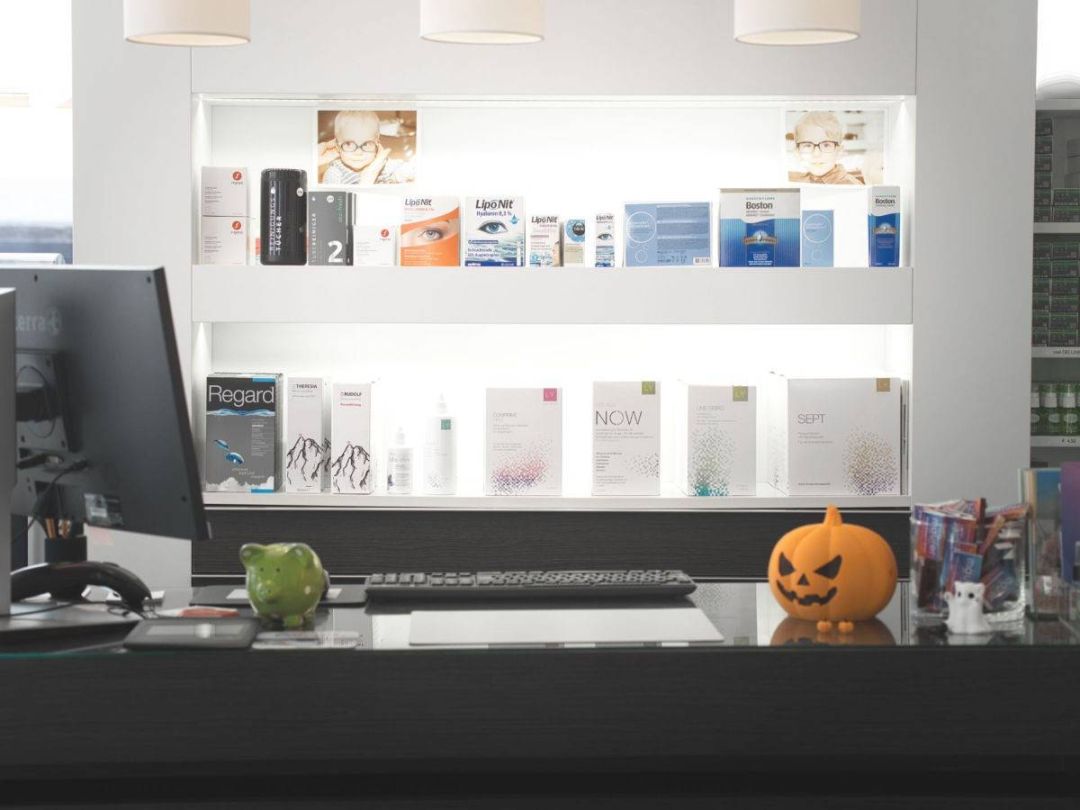
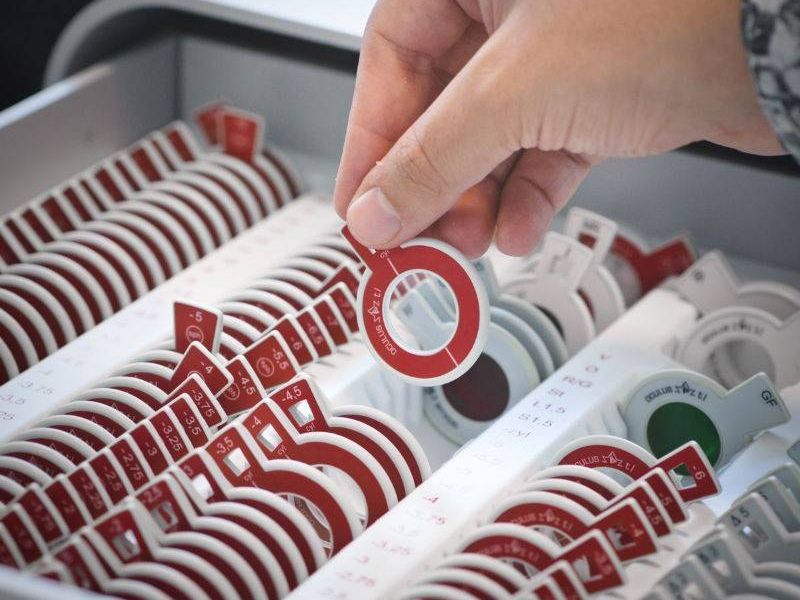
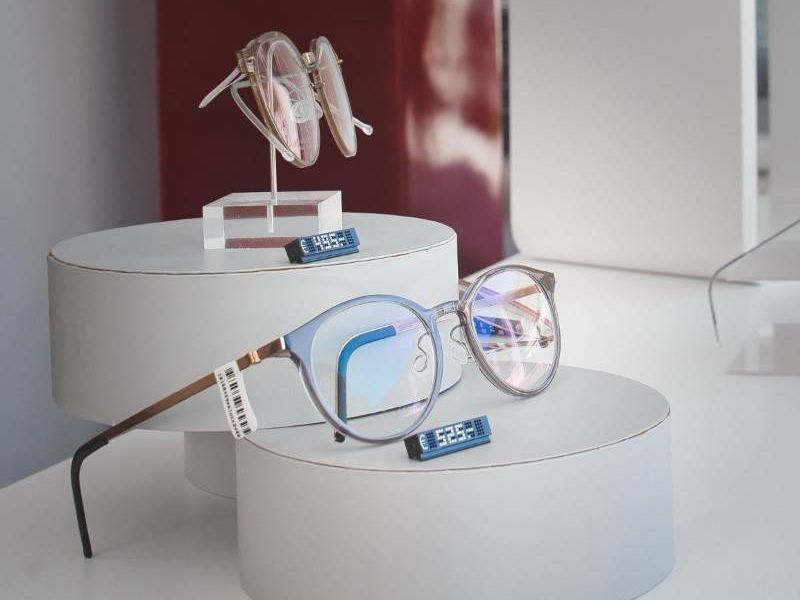
Photographs from the actual sales floor and the actual measuring equipment rather than catalogue images. For a local business, being recognisable is half the battle.
Measured, not asserted
Only figures you can check for yourself at optikmaurer-mittersill.at (opens in a new tab) – measured by us on 16 August 2026.
Honestly:
A local optician lives on recommendation and passing trade. A website does not replace that – it makes sure that someone who has been given a recommendation finds the opening hours and has a reputable impression confirmed. That role is smaller than agencies like to claim, and still decisive: stumble at this point and people do not arrive at all.
Frequently asked questions about this project
What does “built for legibility” mean in practice?
The pleasant side effect: what is necessary for people with limited eyesight reads better for everyone else too.
Source: W3C: WCAG 2.2 – Contrast (Minimum) (opens in a new tab)
Why does audience measurement run on the client's own server?
Whether a particular configuration needs consent belongs in a legal review; we describe the technology here, not the verdict. Server log files at the host accrue regardless and belong in the business's own privacy notice.
Source: Matomo docs: On-Premise (self-hosted) user guide (retrieved 16 August 2026) (opens in a new tab)
Why does marking up as an optician matter?
Particularly with local queries and with answers from AI assistants, that clarity decides whether the business is considered at all.
Does a small local business need a website of its own at all?
It does not have to be large for that. More important than scope is that the three things people actually search for are correct: what is on offer, when you are open, how to reach you.
Can a site like this be maintained in house?
Everything else stays with us. For a business of this size that is the more honest division of labour than selling a full system training course.
See it live
The Optik Maurer website
Check for yourself: legibility, loading behaviour and source code are all publicly verifiable.
Related service
Accessible websites
We work to WCAG 2.2 and remove barriers in the code – as our working basis, not as a statutory requirement. For borderline cases: a technical first assessment, then legal review.
More projects
LASACO Website Relaunch
Case study: a website relaunch for LASACO with Kirby CMS – a broad industrial portfolio clearly arranged, with local fonts and no …
Snow Experts – Ski School & Holiday Flat
Case study: a trilingual tourism website for the Snow Experts ski school in Mittersill – courses and holiday lets combined, with …